Google Ads vs SEO for Local Businesses: 7 Key Differences
If you run a local business, you want more people to find you on Google. But should you spend money on ads or invest in SEO? Understanding Google Ads vs SEO for local businesses can help you choose a marketing plan that fits your goals, budget, and timeline.
For example, a dentist in Noida may want more appointment bookings this month. A home renovation company in Delhi may want a steady flow of enquiries over time. Both can use Google to reach customers, but they may need different strategies.
In this guide, we will explain how Google Ads and SEO work, compare their costs and benefits, and help you decide where to start.
Table of Contents
- 1. What Is Google Ads?
- 2. What Is SEO?
- 3. Google Ads vs SEO for Local Businesses
- 4. Seven Key Differences
- 5. Which Is Better for Your Business?
- 6. Can You Use Google Ads and SEO Together?
- 7. How to Get Started
- Frequently Asked Questions
- Conclusion
1. What Is Google Ads?
Google Ads is Google’s paid advertising platform. It allows businesses to show ads to people searching for products or services.
For example, a person may search for “AC repair in Gurgaon.” A local repair company running a relevant search campaign may show an ad for that search.
Google Ads can help local businesses:
- Reach people who are searching for a service.
- Target selected locations, such as Delhi, Noida, or Gurugram.
- Promote special offers and services.
- Encourage calls, website visits, and enquiries.
- Measure clicks and tracked conversions.
With many search campaigns, you pay when someone clicks your ad. The cost depends on factors such as competition, targeting, and campaign settings.
Google Ads can be useful when you need to promote a service or test a new offer. However, clicks do not always turn into paying customers. Your keywords, ads, website, and follow-up process all matter.
2. What Is SEO?
SEO stands for Search Engine Optimization. It is the process of improving your website so people can find it through unpaid search results.
For example, a person searches for “best interior designer in South Delhi.” A well-organized website with useful service pages may appear in the organic results.
SEO for local businesses can include:
- Creating useful pages for your services.
- Using relevant keywords in page titles and headings.
- Making your website fast and mobile-friendly.
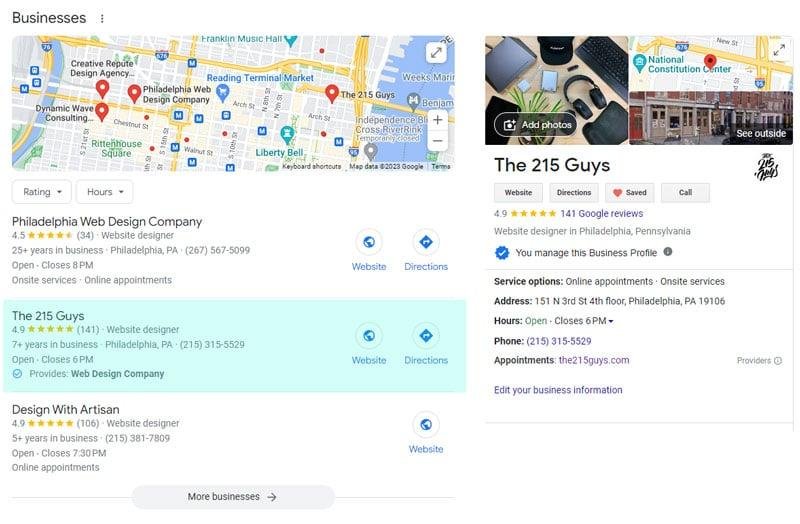
- Improving your Google Business Profile.
- Keeping your business name, address, and phone number accurate.
- Earning relevant links from trusted websites.
- Publishing helpful content that answers customer questions.
SEO does not mean paying Google to rank your website. Google explains that advertising does not improve a site’s organic search ranking.
SEO can support long-term visibility, but it takes time. Results depend on your website, competition, content, and other factors. No agency can honestly guarantee a specific Google ranking.
3. Google Ads vs SEO for Local Businesses
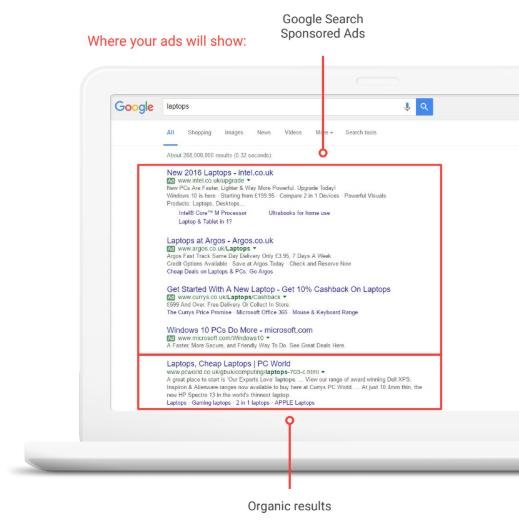
The main difference is how your business gains visibility.
Google Ads provides paid visibility. You set up campaigns and pay for eligible ad interactions, such as clicks.
SEO works to improve organic visibility. You improve your website and online presence so that search engines can understand and show your content.
Both can help people discover your business. Neither guarantees leads or sales.
A local salon in Lajpat Nagar might use Google Ads to promote a festive offer. At the same time, it could improve its website and local listings so people can find its services throughout the year.
4. Seven Key Differences
1. How quickly can you get visibility?
Google Ads can begin showing ads after your campaign is approved and eligible to serve. Actual delivery depends on your settings, budget, competition, and ad quality.
SEO usually takes longer. Search engines need to discover and understand your pages, and your site must compete with other results.
Consider Google Ads if you need to promote an offer soon. Consider SEO if you are building a lasting source of search traffic.
2. How much does it cost?
Google Ads requires an advertising budget. Your total cost may include ad spend, campaign management, landing page work, and tracking tools.
SEO may involve spending on content, technical improvements, local listing work, and professional help. You do not pay Google for each organic click.
Neither option is automatically cheaper. Compare the total cost with the number and quality of leads you receive.
3. How long can the results last?
Google Ads visibility depends on your campaigns continuing to run and remaining eligible. If you pause your ads, that paid visibility generally stops.
SEO improvements can continue to bring visitors after the work is done. However, rankings can change, competitors can improve, and pages may need updates.
SEO is not a one-time task. It needs regular care.
4. Can you target a specific area?
Both options can support local marketing.
With Google Ads, you can configure geographic targeting to reach selected areas. Check the location settings carefully so your ads match the customers you want.
With SEO, you can create useful service and location pages for areas you serve. For example, a plumber might have a page for services in Dwarka and another for services in Noida, if those pages offer real, useful information.
Do not create many near-identical pages just to mention different locations.
5. How much control do you have?
Google Ads gives you direct controls for budgets, campaigns, ads, and targeting. You can test different messages and adjust settings.
SEO gives you control over your website content, structure, and technical setup. But you cannot directly control when or where Google ranks each page.
Both require testing and regular improvements.
6. What kind of traffic can you get?
Google Ads can help you reach people searching for terms related to your offer. You can also use other campaign types to reach audiences across Google’s advertising channels.
SEO can bring visitors from a wider range of searches, including service searches and questions.
In both cases, the goal is not just more traffic. It is to attract people who are likely to need your service.
7. How do you measure success?
For Google Ads, track:
- Advertising spend
- Relevant clicks
- Phone calls and form enquiries
- Cost per lead
- Qualified leads and sales
For SEO, track:
- Organic clicks and impressions
- Search queries
- Relevant website visits
- Calls and enquiries from organic traffic
- Leads and sales linked to SEO
Use conversion tracking where possible. A campaign that brings many clicks but few useful enquiries may need changes.
5. Quick Comparison: Google Ads vs SEO
| Factor | Google Ads | SEO |
|---|---|---|
| Main cost | Ad spend and management | Content, improvements, and management |
| Visibility | Paid placements | Organic search results |
| Speed | Can start after approval and setup | Usually takes time |
| Control | Direct campaign controls | Control over your site, not rankings |
| Best use | Time-sensitive campaigns and testing | Building lasting search visibility |
| When spending stops | Paid visibility generally stops | Existing organic visibility may continue |
| Measurement | Clicks, spend, conversions | Organic traffic, visibility, conversions |
6. Which Is Better for Your Local Business?
There is no single answer for every business. Start with your goals, budget, and how soon you need leads.
Choose Google Ads when:
- You need to promote a service or offer soon.
- You have a clear budget for testing.
- Your customers actively search for your service.
- You can respond to calls and enquiries quickly.
- You have a landing page that helps visitors take action.
For example, a coaching centre in Rohini may use ads to promote admissions before a new batch starts.
Choose SEO when:
- You want to build organic search visibility over time.
- Customers search for your services throughout the year.
- You can invest in useful content and website improvements.
- You want to answer common questions before customers contact you.
- You want to strengthen your local online presence.
For example, a home renovation company serving Delhi NCR can create helpful pages about kitchen renovation, bathroom renovation, and its service areas.
Consider both when:
- You need leads now and want to build long-term visibility.
- You have enough budget and staff to manage both.
- You want to test which search terms bring good leads.
- You want several ways for customers to discover your business.

7. Can You Use Google Ads and SEO Together?
Yes. Google Ads and SEO can support the same business goals.
Here is a simple plan for a local service company:
Step 1: Start with a clear offer. Decide which service and location you want to promote.
Step 2: Run a focused Google Ads campaign. Target relevant searches and send people to a useful service page.
Step 3: Track real enquiries. Measure calls, forms, and qualified leads, not just clicks.
Step 4: Improve your website. Use what you learn about customer questions to improve your service pages and FAQs.
Step 5: Build your SEO foundation. Improve page titles, content, website speed, internal links, and local business information.
Step 6: Review both channels. Compare lead quality and total costs. Put your budget where it supports your business goals.
Remember, paid ads do not directly raise your organic rankings. However, the two channels can work together as part of a wider marketing plan.
8. Local Marketing Tips for Delhi NCR Businesses
If your business serves Delhi NCR, make your marketing specific to the customers and areas you can actually serve.
- Choose your service areas carefully. Do not target all of Delhi NCR if you cannot serve every area.
- Use clear service pages. Explain what you do, who you help, and how customers can contact you.
- Keep your business details accurate. Make sure your phone number, hours, and address or service area are correct.
- Make your website mobile-friendly. Many people search for local services on their phones.
- Track calls and form submissions. Know which marketing activity brings useful enquiries.
- Build trust. Use real photos, clear service details, and genuine customer reviews.
For eligible local advertising formats, Google can use business location information and assets to help customers find a business and take actions such as calling or getting directions.
Frequently Asked Questions
Is Google Ads better than SEO for local businesses?
It depends on your goals. Google Ads can provide paid visibility after setup and approval. SEO can help build organic visibility over time. Your budget, timeline, and competition should guide your choice.
Is SEO free?
You do not pay Google for organic clicks. However, SEO can require time and money for content, website improvements, tools, and professional support.
How long does local SEO take?
There is no fixed timeline. It depends on your website, competition, business area, and the work required. Track progress over time instead of expecting an instant result.
Can a small business use Google Ads with a small budget?
Yes, you can set a budget that fits your business. Start with a focused campaign, track enquiries, and review performance before increasing spend. A small budget does not guarantee a low cost per lead.
Should I stop Google Ads once my SEO improves?
Not automatically. Review the results from both channels. If ads bring valuable leads at an acceptable cost, they may still be useful while your organic visibility grows.
Does running Google Ads improve SEO rankings?
No. Google states that buying ads does not improve your organic search ranking. Ads and organic search are separate systems.
Conclusion
When comparing Google Ads vs SEO for local businesses, think about both your short-term needs and long-term goals.
Google Ads can help you reach people through paid campaigns. SEO can help your business build organic visibility over time. The right choice depends on your budget, service area, competition, and ability to turn visits into customers.
For many local businesses in Delhi NCR, a clear plan can include both: use paid campaigns for focused goals while improving your website and local presence for the future.
Premium Growth helps businesses with Google Ads, SEO, lead generation, and website improvements. Explore our digital marketing services to learn how we can support your business goals.
